
Boundaries You Can See and Maintain Again
Fence line clearing in Nacogdoches for property edges overgrown with brush and volunteer trees that block access and obscure boundaries
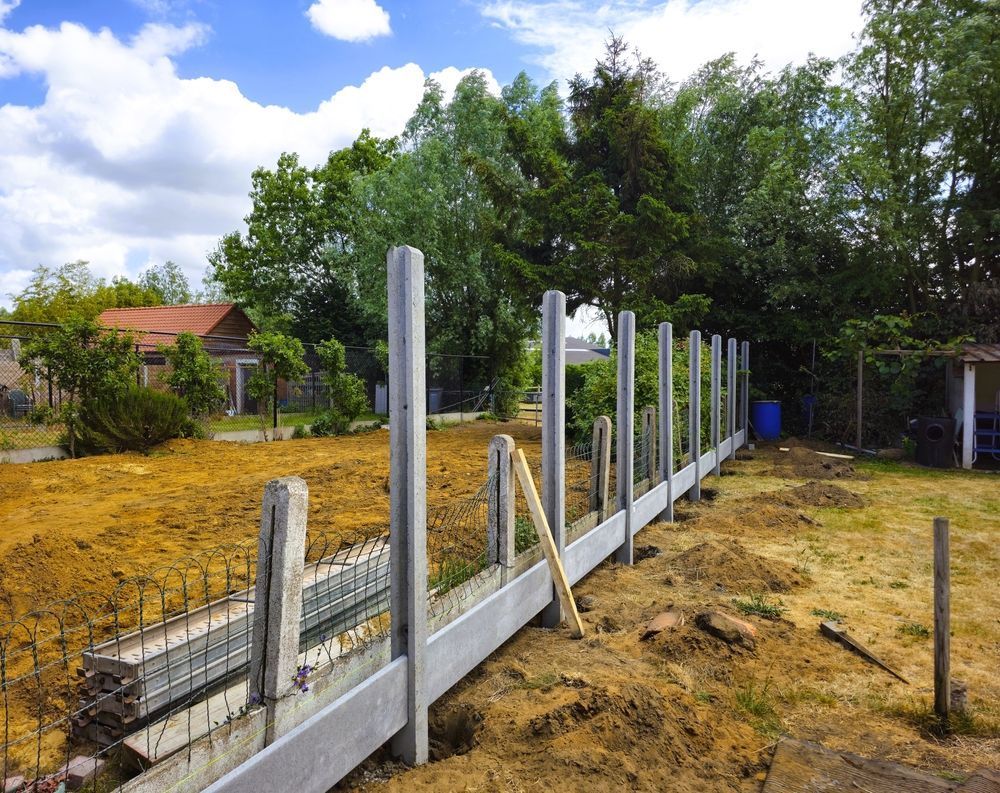
A fence line that has gone uncleared for even two growing seasons in East Texas can become nearly impassable. Volunteer trees push through wire, bramble ties itself to posts, and the fence itself becomes invisible under vegetation that has grown in from both sides. Property owners dealing with that condition often cannot inspect their fence for damage, let alone make repairs or verify where their boundary runs. Get-R-Done Land Services clears fence lines in Nacogdoches using a combination of handheld cutting equipment and skid steers to remove trees and brush that cross or overhang the boundary line.
Work begins at the marked fence line, with vegetation removed from the corridor on both sides that affects access and visibility. Trees that have grown into or through the fence are cut and extracted rather than simply trimmed back, since leaving root masses against posts accelerates post rot and pulls wire out of alignment over time. All cut material is chipped or hauled—nothing is left piled along the line—so the fence is fully accessible for inspection and repair work once clearing is complete. Properties in areas like Pollok where fence lines run through heavy timber often require the skid steer to open a working corridor before hand tools can reach the fence itself.
Set up a free estimate to walk the fence line and establish what the clearing scope involves before work begins.
Why Fence Lines Require More Than Brush Cutting
The distinction between surface brush removal and proper fence line clearing is what happens to the material after it is cut. Cutting brush and leaving it piled against the fence creates a moisture trap that accelerates post decay and provides cover for pests that damage wire and wood. Get-R-Done Land Services removes all cut material from the fence corridor, either through chipping it on-site or hauling it, so the cleared line does not immediately begin creating a new problem for the fence structure itself.
Once the clearing is complete, the fence line is visible from end to end. Posts, wire, and corner assemblies that were previously hidden under vegetation can now be inspected for damage, lean, or tension loss—conditions that are impossible to assess when the fence is buried in brush. That visibility is the first practical outcome of the work, and it determines what fence repair or replacement will be needed before the boundary is fully functional again.
If additional clearing beyond the agreed fence corridor is needed—an adjacent brush pile that is blocking equipment access to a gate, for example—that work is typically folded into the job rather than treated as a separate charge. The operator makes that call on-site based on what the job actually requires.
Questions Before Starting Your Project
These questions address how fence line clearing is performed, what affects the scope of the work, and what the cleared line looks like once the job is finished.
How is the fence line located before clearing begins?
The property owner identifies the marked boundary or fence run, and the operator works from that established line rather than estimating where the boundary falls based on vegetation patterns.
What equipment is used and why does the choice matter?
Handheld cutting tools reach vegetation growing directly against and through wire without damaging the fence, while the skid steer opens the wider corridor and removes larger trees and root masses that hand tools cannot efficiently address alone.
How are trees that have grown through the fence handled?
Trees rooted against or through fence wire are cut and the root mass is extracted where possible, since leaving it in contact with the post accelerates decay and creates ongoing tension on the wire as the roots continue to expand.
What does the fence line look like after clearing is finished?
The corridor along the fence is open, the wire and posts are visible and accessible, and all cut material has been removed or chipped so no debris pile remains against the fence structure.
How does fence line clearing in Nacogdoches differ for older established fence runs versus newer ones?
Older fence lines in the area frequently have multiple generations of volunteer trees growing through and around them, requiring more extraction work than a newer line where vegetation is still at a shrub stage and can be cut without root removal.
Get-R-Done Land Services also clears fence lines in Lufkin, Timpson, Garrison, Etoile, and St. Augustine. Call (936) 615-8792 to arrange a walkthrough and confirm what the clearing will require along your specific fence run.