
Cleared Land Starts With Removing What Remains
Debris hauling in Nacogdoches for properties with accumulated brush, fallen timber, and scrap that blocks usable ground
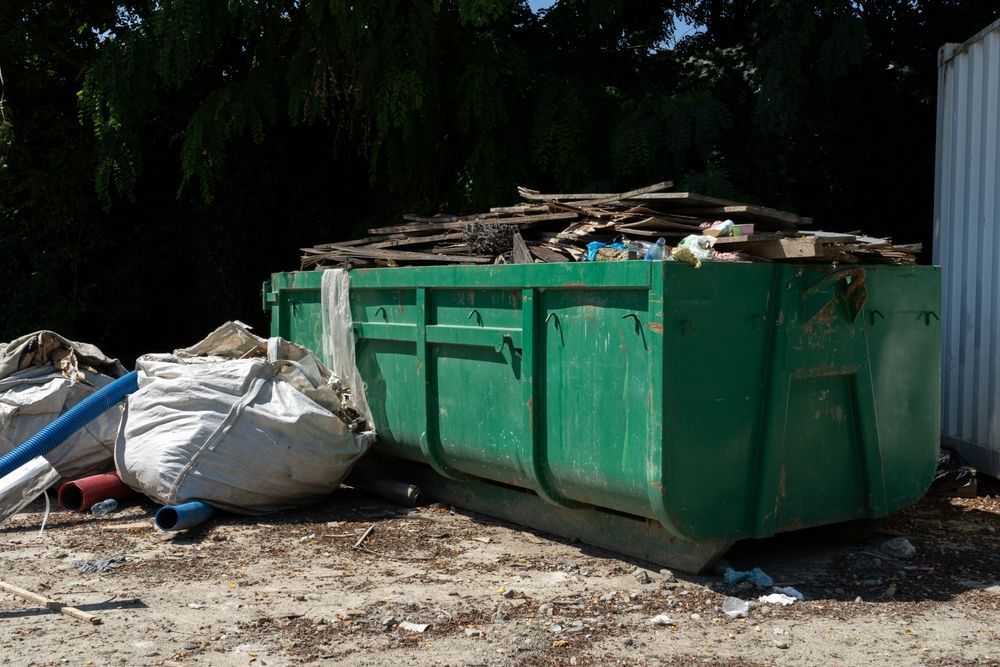
Older properties in East Texas accumulate material over years: fallen trees from previous storms, brush piles from past clearing attempts, scrap metal left behind by prior owners, and vegetation that has grown back over ground that was once usable. That accumulation does not disappear on its own, and burning is not always a legal or practical option on parcels near structures or improved roads. Get-R-Done Land Services hauls that material out of Nacogdoches properties using an open trailer or roll-off box sized to the job, with Blaine on-site for every load.
The process is direct: you designate what goes, and the crew does the physical loading and transport. All debris is hauled to the appropriate disposal facility rather than redistributed around the property. Pricing is structured per load based on trailer size and weight, which means you pay for what actually leaves rather than a flat rate that may not reflect the volume on your lot. Lufkin and Timpson area properties with larger accumulations often require multiple trailer runs, and that scope is evaluated during the estimate so there are no surprises at the end of the job.
Schedule an on-site estimate to assess what needs to go and how many loads the job will realistically require.
How Debris Hauling Addresses Years of Accumulation
What looks like a single pile of brush often includes layered material: green vegetation on top, partially decomposed wood underneath, and embedded scrap or wire at the base. Loading that material efficiently requires assessing what can be compacted in the trailer versus what needs to be broken down before loading. Blaine runs his own equipment and handles every job himself, which means those loading decisions are made by the same person who has operated equipment in this region for 30 years—not a rotating crew unfamiliar with the property.
After hauling is complete, the designated areas should be open ground. Brush piles that previously blocked equipment access or obscured property lines are gone, and areas that had become fire hazards due to dry accumulated timber are cleared to bare earth. That visible change in usable space is what distinguishes hauling from other debris management approaches that chip or redistribute material in place.
Debris hauling is often combined with other site work—clearing, stump removal, or grading—and in those cases additional hauling that falls within the overall job scope is typically included rather than broken out as a separate line item. That approach keeps the final cost aligned with what was agreed at the estimate stage.
Common Questions About This Service
The following questions address how debris hauling is performed, what drives the amount of work involved, and what the finished result looks like on the ground.
What types of debris can be loaded and hauled in a single trip?
Brush, fallen timber, scrap metal, and general land-clearing debris can typically be combined in one load, though very heavy concentrations of metal or concrete may require a separate run due to weight limits at disposal facilities.
How is the amount of debris estimated before the job starts?
The estimate is based on a walk of the property to assess pile volume, material type, and how many trailer loads the removal will realistically require, so the scope is established before equipment is mobilized.
What does the cleared area look like once hauling is finished?
The designated debris areas are reduced to open ground—no piles, no scattered material, and no residue left along the haul path from loading to the trailer.
How do properties with access limitations affect how debris is loaded?
Narrow entry points, soft ground near piles, or structures close to the debris require the operator to stage loading differently, sometimes using shorter equipment runs to avoid ground disturbance near the haul path. Properties in Nacogdoches with older fence lines or tight gate openings are assessed during the estimate for exactly this reason.
Why does material type affect how hauling is priced per load?
Lighter brush fills a trailer by volume before it reaches weight limits, while dense timber or scrap metal reaches weight limits with the trailer only partially filled—so the same trailer capacity represents different amounts of material depending on what is being removed.
Get-R-Done Land Services also hauls debris in Lufkin, Timpson, Garrison, Etoile, and St. Augustine. Contact Get-R-Done Land Services at (936) 615-8792 to set up a property walkthrough and confirm what the job will involve before any work begins.