
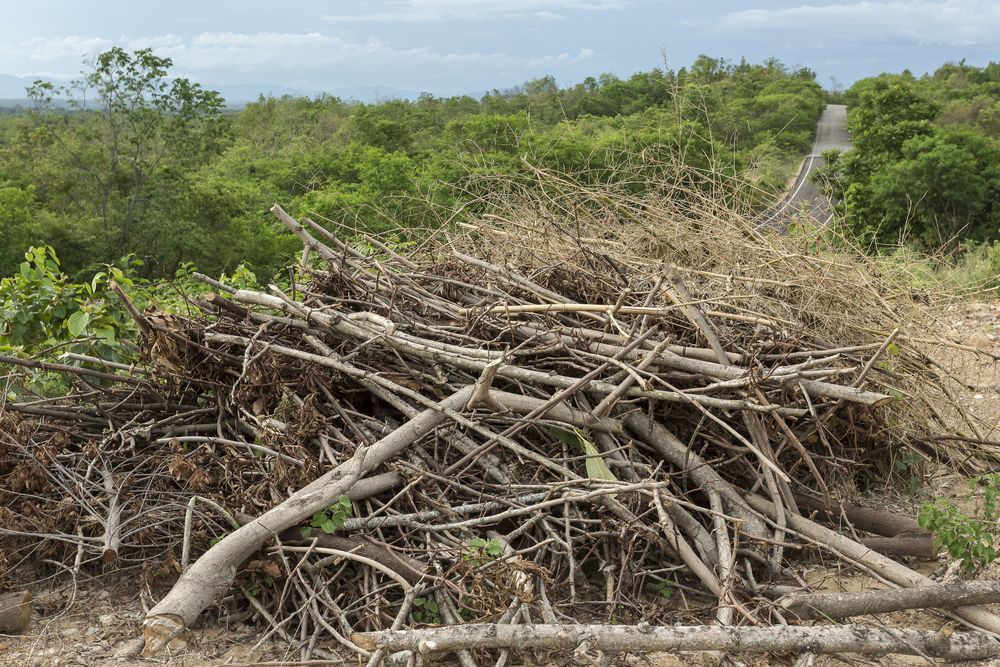
Tangled Growth Cut and Hauled in One Visit
Brush removal in Nacogdoches for properties with standing, tangled, or accumulated overgrowth that needs to be cleared to ground level and removed entirely
A property covered in dense brush doesn't just look neglected—it blocks access, obscures hazards, and prevents any meaningful use of the land until the overgrowth is physically gone. Get-R-Done Land Services arrives with cutting and hauling equipment, clears brush to ground level, and loads it for removal in the same visit. Blaine and the crew handle standing brush, tangled growth, and accumulated debris without leaving piles behind for the property owner to deal with after the fact.
The clearing sequence starts at the outer perimeter to open access and works inward, which allows the crew to identify buried stumps, fence lines, or structural obstacles as the brush is removed rather than discovering them after equipment has already moved into the lot's interior. Grinding, chipping, or stump work that appears during the clearing process is handled at no additional charge—the job scope expands to match what the lot actually needs rather than stopping at a predefined line item. When the crew leaves, the lot is open, at grade level, and accessible for whatever comes next.
Set up a site visit to get a direct assessment of your property's overgrowth and a quote based on what Blaine sees on the ground.
The Difference Between Surface Cutting and Complete Brush Removal
Properties around Timpson and Etoile frequently accumulate brush through a combination of long vacancy periods and natural regrowth after previous clearing attempts that didn't address root systems or stump bases. Brush that gets cut at mid-height but not taken to ground level regrows within a single growing season—often denser than before because the root system is intact and the canopy competition has been removed. Complete removal means cutting at grade level, grinding stumps that would otherwise resprout, and hauling all material off-site so nothing remains to anchor new growth.
After removal is finished, the difference is visible and functional: the lot has open sightlines, equipment can access the interior without cutting a path, and the ground is clear enough to walk, survey, or begin grading work. No piles remain on the property requiring a separate haul-off arrangement, and no stumps are left above grade to obstruct mowing or construction equipment. Get-R-Done Land Services maintains a five-star Google rating built on jobs where this standard was consistently met—not jobs where the brush was reduced rather than removed.
Brush removal scope depends on what's growing and how densely it's established. Light brush with shallow roots clears faster than thick, interlocked stands of woody shrubs and volunteer trees with established root systems. Blaine's on-site assessment distinguishes between these conditions and quotes accordingly, so the work priced is the work that actually clears the property—not an estimate built on a description from the road.
How the Brush Removal Work Gets Done
The following questions address how brush removal actually proceeds—what equipment is used, how the crew works through the lot, and what the property looks like when the job is complete. These answers are specific to the clearing process rather than general company information.
How does the crew decide where to start when clearing a heavily overgrown lot?
Clearing typically begins at the lot's most accessible edge to open equipment movement paths first, then works inward—this approach prevents the crew from working itself into a position where cut material blocks equipment egress and slows the haul-off phase.
What happens when stumps or buried obstacles are found during brush clearing?
If stumps surface during the clearing process, they are ground at the same time rather than flagged for a separate return visit; the same applies to buried debris or fence posts that become visible once the brush cover is removed.
Why does cutting brush above ground level cause regrowth problems?
Brush species common to this part of East Texas—yaupon, sweetgum sprouts, and similar woody volunteers—resprout aggressively from root crowns when cut above grade; grinding to at or below grade level disrupts the crown and significantly reduces resprout density in the following season.
How is hauled brush material handled after it is loaded?
Cut and chipped material is hauled from the property entirely during the same visit rather than staged on site; this eliminates the secondary haul-off step that some clearing jobs leave to the property owner and means the lot is usable immediately after the crew leaves.
What does a properly completed brush removal job look like at ground level?
The finished surface should show exposed soil or existing ground cover at consistent grade, with no stump crowns above the surface, no debris windrows along the edges, and no residual brush stems that would obstruct a mower or grading blade running across the lot.
Get-R-Done Land Services also performs brush removal in Lufkin, Timpson, Garrison, Etoile, and St. Augustine. To schedule a property walk and get a quote based on your specific overgrowth conditions, call (936) 615-8792.